
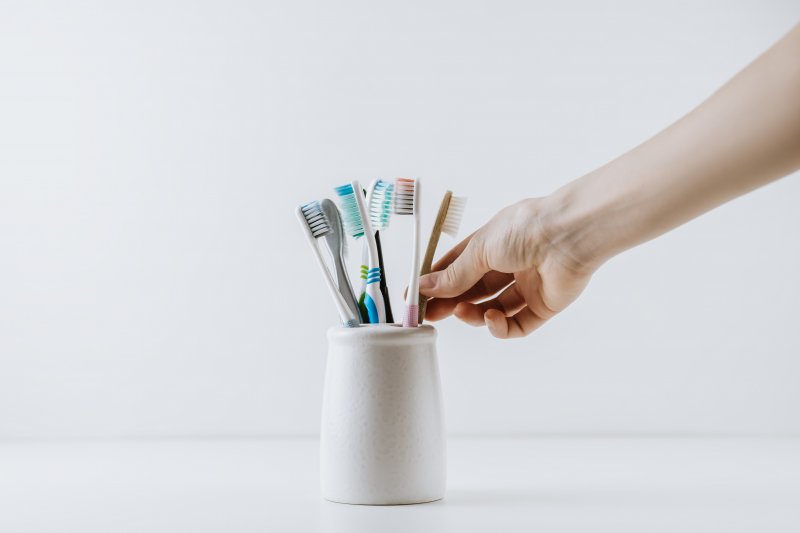
Proper oral care is an important part of keeping the whole body healthy, but people with Down syndrome can sometimes find dental hygiene challenging. Thankfully, a skilled and compassionate dentist can help those with this condition keep their smiles healthy and beautiful. Here’s a quick look at a few factors that can affect the oral health of people with Down syndrome as well as how a qualified dentist can help them keep their grins in great shape.
Small or Missing Teeth
Some people with Down syndrome are born with small teeth that require certain considerations. While it may be easier to clean between them, small teeth can leave the gums exposed to injuries that may lead to destructive infections. Many with Down syndrome also have fewer teeth than average, which can leave the gums vulnerable and may make chewing difficult. A qualified dentist can help a patient with Down syndrome understand how to clean their teeth properly without injuring the gums.
Teeth Grinding
Many people grind their teeth as a stress response or involuntarily when they sleep, and this can put unnecessary stress on the smile and lead to premature enamel erosion. People with Down syndrome may develop this unfortunate habit, and some of them do it so severely that it causes considerable damage. A skilled dentist will be able to examine a patient with Down syndrome’s teeth for signs of grinding and recommend an appropriate treatment to address it.
Oral Hygiene
Your daily oral hygiene regimen is your first line of defense against oral infections and dental stains, but people with Down syndrome may find it difficult to develop a suitable routine. It’s important for their loved ones to help them remember to keep up with their oral care and understand how to brush and floss effectively without harming their gums or teeth. A qualified dentist will also be able to help a person with the condition learn the best ways to keep their smile clean and healthy.
With proper dental care, people with Down syndrome can keep their smiles beautiful while avoiding destructive oral infections. Your dentist will be happy to help your family understand the best ways to help your loved one with this condition stay in excellent health.
About the Author
Dr. Frank E. Ford earned his dental degree at the University of Texas Dental Branch at Houston and completed a Medical Anesthesiology Residency at the Baylor College of Medicine at Houston. He is proud to be a member of the American Dental Association and the American Society of Dentist Anesthesiologists. His office in Grand Prairie provides general and restorative dentistry as well as sedation treatments for patients with disabilities. To schedule a checkup, contact the office online or dial (972) 296-0101.